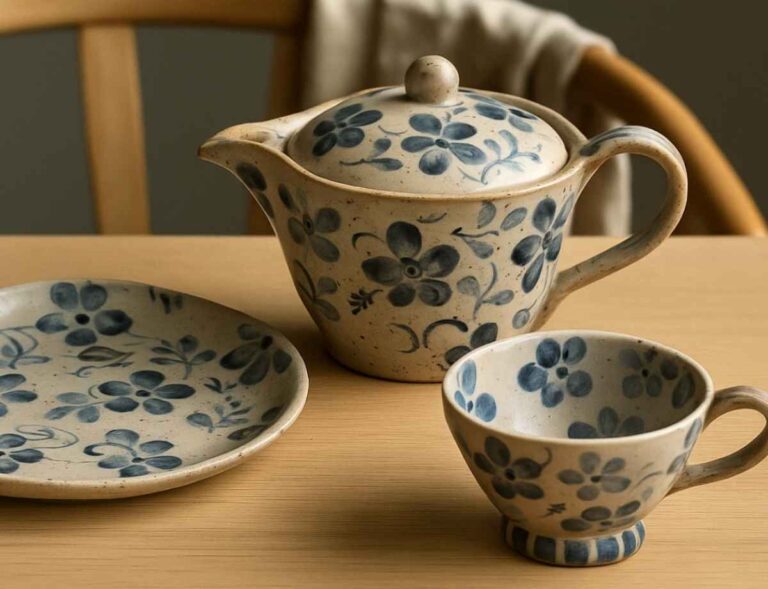


The humble chawan (tea bowl) is where the magic of matcha begins. While almost any bowl that’s the right size and shape can be used to whisk tea, some have taken on iconic status over centuries of use in the Japanese tea ceremony. Interestingly, many of the bowls that became famous weren’t originally made for tea at all—some started life as rice or food bowls from abroad. But once they entered the tea room, their shapes, textures, and presence made a lasting impression.
In this guide, we’ll explore some of the most well-known chawan styles, from time-honored classics to modern interpretations. Many of the historical examples we reference are what tea practitioners call meibutsu—“famous objects” that have been admired and cherished through generations.
What makes a style?
Chawan styles aren’t always easy to pin down. Some are defined by shape or size, others by glaze, region, or the type of clay used. And some styles blur the lines between categories entirely. Over time, potters and tea masters have grouped bowls into broad style categories, usually inspired by the most admired historical examples.
Today’s potters often create utsushi—modern works that pay homage to these classics—capturing their spirit while adding new personality. Whether you’re a collector or just starting to explore tea culture, understanding these styles is a great way to deepen your appreciation of the chawan.